List of insurance company names
List of Insurance Company Names: The Complete 2026 Directory by Category
Every major insurer, sorted by the coverage you’re actually shopping for — plus the exact steps to confirm a name is licensed before you hand over a card number.
Why This List of Insurance Company Names Exists
Type “list of insurance company names” into Google and you’ll land on one of two things: a Wikipedia page with hundreds of names in flat alphabetical order and zero context, or a regulator’s database built for compliance lookups, not casual reading. Neither tells you which names belong to auto insurers, which sell life policies, or which one just called your phone pretending to be your bank.
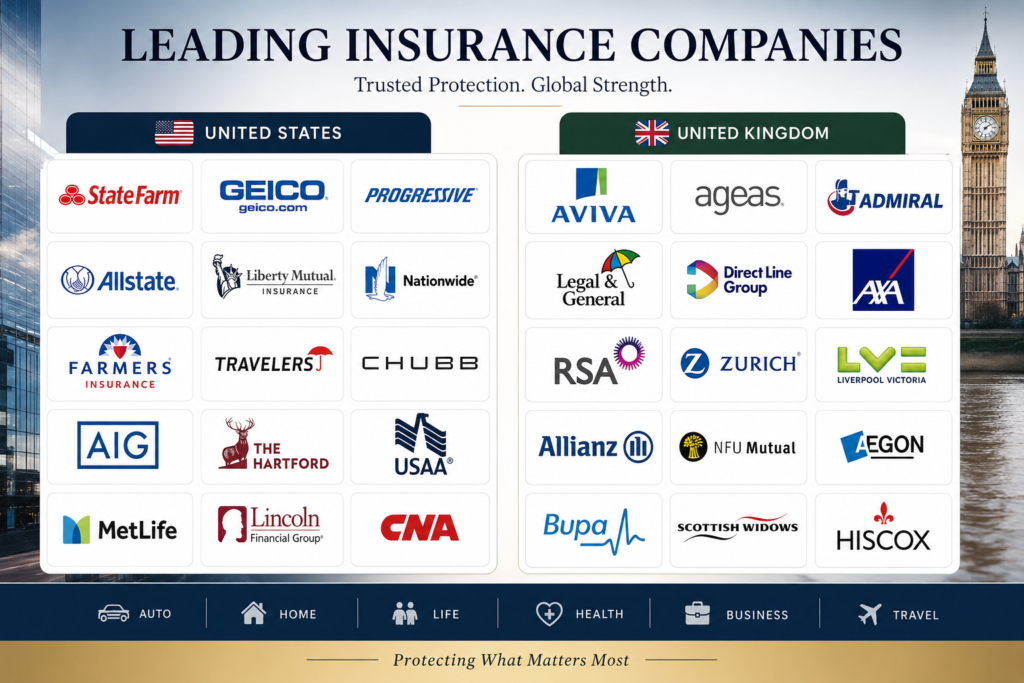
This directory groups real, currently operating insurance company names by the coverage they actually sell, because that’s how people search in real life. Nobody wakes up wanting “an insurance company.” They want an auto insurer to compare against Progressive, or a pet insurance name they’ve never heard of but keep seeing in ads. We built the list around that intent, and closed it out with a short, practical method for confirming any insurance company name is real before you buy from it — something none of the top-ranking pages currently do well.
How to use this page: jump to the category you need from the sidebar, skim the names, then use the verification section near the bottom before you commit to any policy — especially if a name is unfamiliar.
List of Auto Insurance Company Names
Auto insurance is the most searched line of coverage in the United States, and the market is dominated by a handful of household names alongside dozens of regional carriers most drivers never hear about until they get a quote comparison.
List of Home Insurance Company Names
Homeowners insurance names overlap heavily with auto insurers because most large carriers bundle both, but a few names specialize almost entirely in property coverage.
List of Life Insurance Company Names
Life insurance carriers tend to be older, mutually-owned institutions with names built around trust and permanence — a naming pattern that shows up again and again once you start reading through the category.
List of Health Insurance Company Names
Health insurance names split into two groups: national carriers selling through employers and the ACA marketplace, and the Blue Cross Blue Shield system, which operates under one shared brand through dozens of independently run regional companies.
List of Business & Commercial Insurance Company Names
Commercial insurance names range from century-old institutions insuring Fortune 500 companies to newer, app-based insurers built specifically for small businesses and freelancers.
List of Pet Insurance Company Names
Pet insurance is one of the fastest-growing categories in the industry, and the naming pattern here leans playful and pet-forward compared to traditional carriers.
List of Travel Insurance Company Names
Travel insurance names are dominated by a small group of global underwriters, even though the policies are often sold under airline or booking-site co-branding.
Niche and Specialty Insurance Company Names
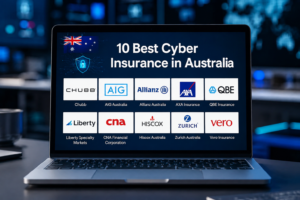
Beyond the everyday categories, a separate tier of insurance company names handles risks most people never think about until they need them — cyber breaches, marine cargo, event cancellations, and reinsurance for other insurers.
| Company Name | Specialty |
|---|---|
| Lloyd’s of London | Marketplace of syndicates insuring unusual and high-value risks |
| Coalition | Cyber insurance bundled with breach-response tools |
| Munich Re | Global reinsurance — insures other insurance companies |
| Berkshire Hathaway Specialty Insurance | Large, complex commercial and casualty risks |
| CFC Underwriting | Emerging risk lines, including cyber and fintech |
| AXA XL | Marine, aviation, and environmental liability |
| Hiscox | Kidnap and ransom, fine art, and small business cyber |
| Everest Re Group | Reinsurance and specialty property-casualty lines |
List of Insurance Company Names in Nigeria
For readers researching Nigerian coverage options rather than U.S. carriers, the naming conventions and market leaders look quite different, shaped by NAICOM regulation and a market still built heavily around motor and life insurance.
Always confirm any Nigerian insurer against the National Insurance Commission’s (NAICOM) list of licensed operators before paying a premium — the same verification logic covered below applies here too.
How to Verify Any Insurance Company Name Is Real
A surprisingly large share of searches for “list of insurance company names” come from people who were just quoted a name they don’t recognize and want to check it before paying. Here’s the fastest way to confirm legitimacy:
1. Search the exact legal name on your state’s Department of Insurance site
Every U.S. state maintains a public database of licensed insurers. A real, active carrier will show a license status, license number, and lines of business it’s approved to sell.
2. Cross-check with the NAIC Consumer Insurance Search
The National Association of Insurance Commissioners runs a national lookup tool that pulls from all state regulators at once, which is faster than checking state by state if you’re not sure where the company is domiciled.
3. Confirm the name matches the policy documents exactly
Insurers frequently sell through subsidiaries with slightly different legal names than their consumer brand. If your declarations page lists a name you can’t find anywhere, ask the agent directly which licensed entity is actually underwriting the risk.
4. Check the financial strength rating
Ratings agencies such as AM Best, Moody’s, and S&P Global grade insurers on their ability to pay future claims. A company with no rating history at all is worth extra scrutiny.
Bottom line
A recognizable name is a starting point, not proof. Pair this list with a two-minute regulator lookup before you buy any policy, from any company, in any category.
Quick Comparison: Insurance Categories at a Glance
| Category | Best Known For | Typical Naming Pattern |
|---|---|---|
| Auto | Price comparison shopping | Direct, action-oriented (Progressive, Allstate) |
| Home | Bundling with auto | Geographic or heritage-based (Erie, Nationwide) |
| Life | Long-term trust building | Institutional, mutual (Northwestern Mutual, Guardian) |
| Health | Employer and marketplace plans | Corporate, acronym-driven (UHC, BCBS) |
| Pet | App-based, direct-to-consumer | Playful, pet-forward (Fetch, Spot, Lemonade) |
| Travel | Airline and booking-site partnerships | Global, reassurance-focused (Allianz, Generali) |
Frequently Asked Questions
What is the largest insurance company in the world by name recognition?
By market capitalization and global reach, UnitedHealth Group, Berkshire Hathaway, and Allianz are consistently ranked among the largest insurance-linked companies, though “largest” changes depending on whether you measure by revenue, premiums written, or policyholders.
How do I know if an insurance company name is legitimate?
Search the exact company name on the NAIC’s Consumer Insurance Search tool or your state Department of Insurance website. A licensed insurer will show an active license, a NAIC number, and financial filings. If the name does not appear at all, treat it as a red flag.
Are insurance company names regulated?
Yes. Most states require insurer names to include a qualifying term such as Insurance, Assurance, Mutual, or Underwriters, and regulators can reject names that are misleading, deceptive, or too close to an existing licensed company.
Why do some insurance companies have multiple names for the same brand?
Large insurers often operate through several underwriting subsidiaries for regulatory, tax, or regional reasons. A single group might sell policies under three or four legal entity names in different states while marketing under one consumer-facing brand.
What is the difference between an insurance company and an insurance broker?
An insurance company, or carrier, underwrites the policy and pays claims out of its own reserves. A broker or agency, such as Lockton or HUB International, does not underwrite risk itself; it shops coverage from multiple carriers on the client’s behalf.